How Fast Can You Get Sanitation Set Up After a Disaster in Sunnyvale?
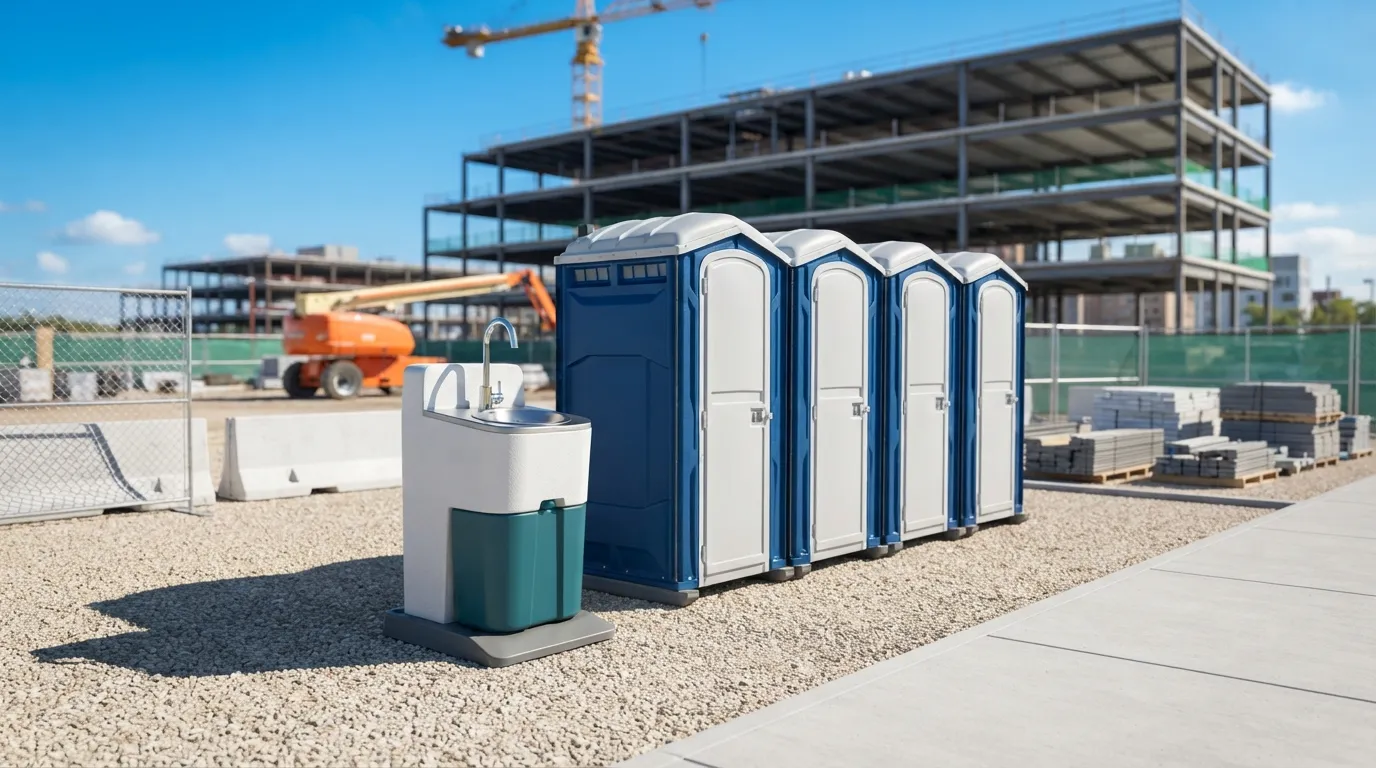
Speed depends on how many units you need and where you're located. A single standard porta potty rental can often go out the same day, while a multi-unit deployment for a shelter or staging area takes coordination on access and placement. Sunnyvale sits close to a support network: Los Altos is 5.2 miles west, Cupertino 5.3 miles south, and Milpitas 9.5 miles northeast, so we can pull inventory from nearby stock if a single event strains local supply. That regional reach matters most during widespread outages, when several cities may be drawing from the same trucks at once.
For water systems knocked offline, a holding tank rental covers wastewater needs until plumbing is restored, and delivery crews need roughly 60 feet of straight clearance behind the truck to place larger equipment safely. If your disaster response involves a command post or volunteer staging area, pair restrooms with a handwashing station rental, since OSHA 1926.51(a)(1) requires an adequate supply of potable water at any place of employment, including temporary relief operations. We also stock portable sink rental units for kitchens and medical triage points. Emergency requests get routed through our emergency porta potty rental line, and the same crews handle emergency septic service when tanks fail or back up during flooding.
What Do Shelters and Relief Sites Need for Restrooms?
Shelters need enough toilets for occupancy, ADA-compliant access, and handwashing that meets code, not guesswork. OSHA 1926.51(c) sets a baseline of one toilet facility for every 20 workers or fewer on a jobsite, and relief coordinators often use that same ratio to plan for volunteers and displaced residents at a Sunnyvale staging site. Where units are clustered, ADA Standards section 213.2 requires at least 5 percent to be accessible, with a minimum of one unit regardless of cluster size. Our ADA accessible porta potty units meet the accessible route width in ADA Standards section 403.5.1, a 36 inch minimum clearance, and the 32 inch door opening called out in ADA Standards section 404.2.3, so wheelchair users aren't stuck outside a shelter restroom.
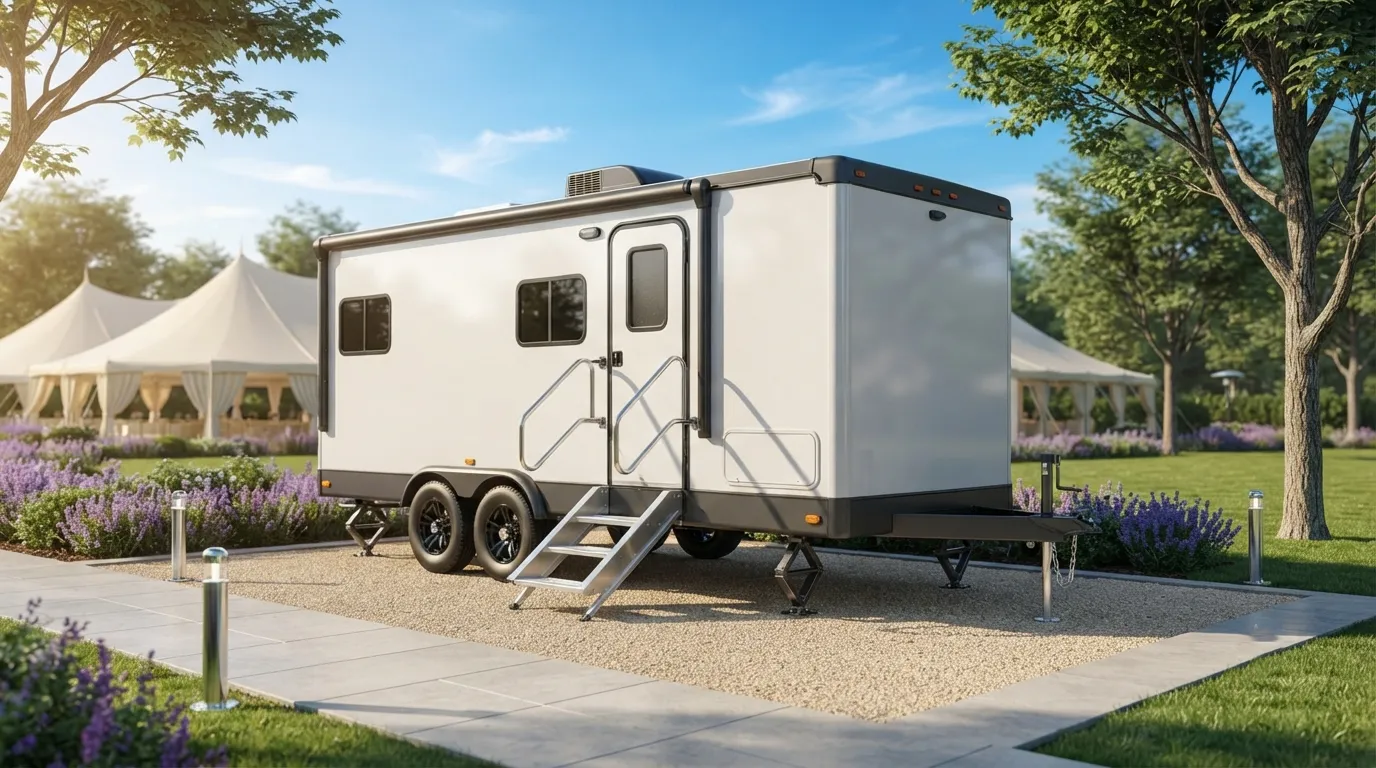
Handwashing is a separate requirement from toilets. 29 CFR 1910.141(d)(2) calls for soap and towels or a hand-drying device at wash stations, and hand sanitizer alone doesn't satisfy it. If cleanup involves paint, coatings, or pesticides from storm damage, OSHA 1926.51(f)(1) requires washing facilities specifically for those contaminants. For larger relief operations needing multiple stalls under one roof, look at a 4 stall restroom trailer or an 8 stall restroom trailer, both of which house handwashing sinks alongside toilets. Debris from storm cleanup also needs somewhere to go: a roll-off dumpster rental clears downed branches and ruined drywall fast, and OSHA 1926.25 requires debris to be cleared from work areas during any recovery effort.
Can You Handle Septic and Wastewater Failures During an Emergency?
Yes, a failed septic system during a disaster gets treated as an emergency call, not a scheduled visit. A typical residential tank runs 1,000 gallons and is normally pumped every 3 to 5 years depending on household size and tank capacity, but flooding, tree root intrusion, or a cracked line can force an unplanned pump-out with no warning. Our septic pumping service responds to failures the same way it responds to routine septic tank cleaning, just faster. If you're seeing the backups or slow drains described on our septic tank warning signs page, don't wait for the next scheduled cycle.
Restaurants and commercial kitchens hit by power loss or flooding also need grease trap pumping; a grease interceptor is serviced once fats, oils, grease and solids reach 25 percent of the liquid depth, and a disaster can accelerate that timeline if refrigeration fails and product spoils into the system. For temporary power to run pumps, lighting, or command equipment while utilities are down, a temporary power pole or light tower rental keeps a site functional after dark. We also set up temporary fence rental around damaged structures or debris piles to keep people out of hazard zones, consistent with the barricade guidance in OSHA 1926.202.
Frequently Asked Questions
How quickly can you deliver during a declared emergency?
We prioritize disaster calls over standard bookings and can often place a porta john rental the same day, depending on inventory and road access. Widespread events across multiple cities may add delay, since crews also cover Cupertino and Los Altos. Call ahead so we can confirm the nearest available unit.
Do you provide restrooms for shelters run by relief organizations?
Yes. We work with shelter coordinators to size restroom counts using OSHA 1926.51(c) ratios and include accessible units per ADA Standards section 213.2. Larger shelters often pair a portable restroom rental cluster with a restroom trailer for better weather protection.
What if my septic tank fails during a storm?
Call our emergency line first. Flooding and root intrusion cause tank failures well before the normal 3 to 5 year pumping interval, and standing sewage is a health hazard that needs same-day response, not a scheduled appointment.
Can you set up sanitation for a temporary command post or staging area?
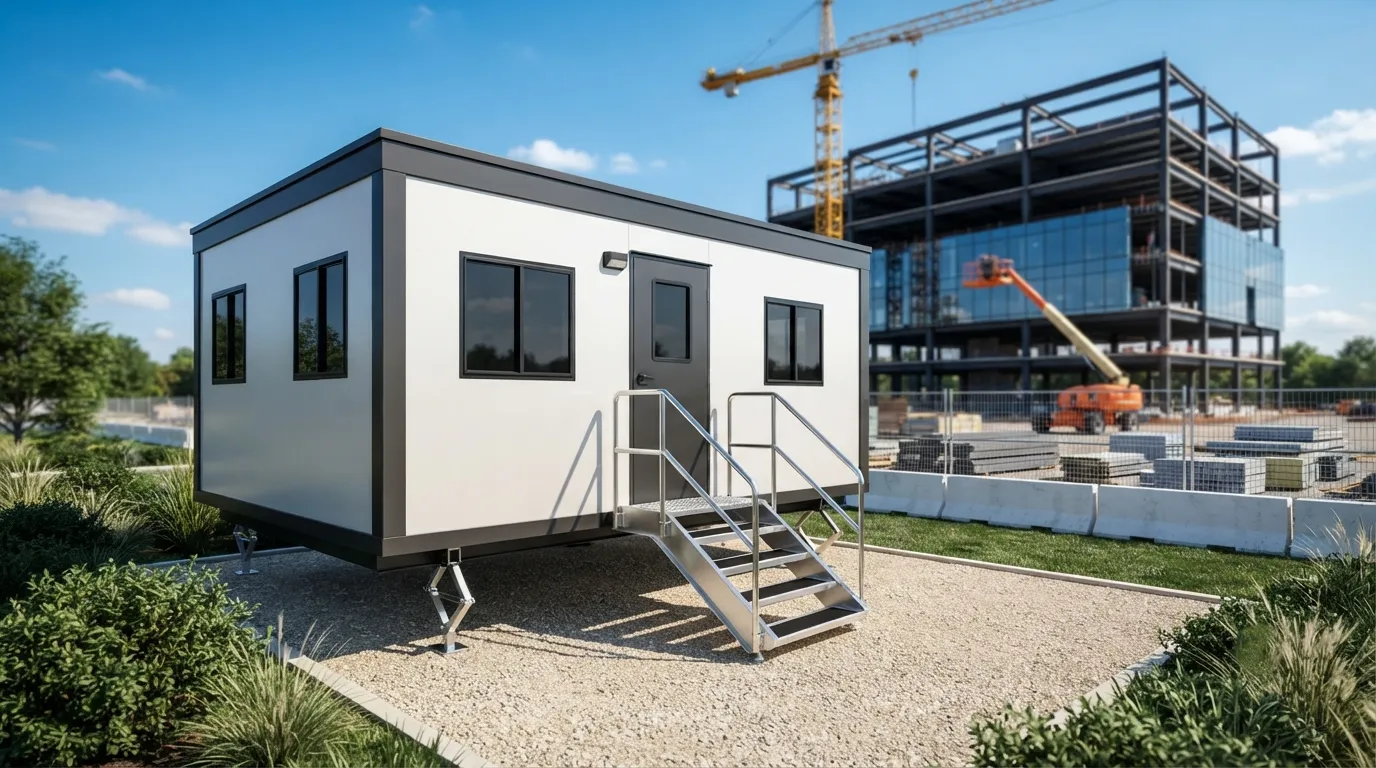
Yes. Command posts typically need a handwashing station, at least one accessible toilet, and sometimes a mobile office. Check construction site services for the same setup used on jobsites, since the equipment and delivery process are identical.
Do you serve areas outside Sunnyvale during regional disasters?
Yes, our service areas page lists coverage including Palo Alto, 8.1 miles west, and Menlo Park, 11.0 miles northwest. During large regional events we coordinate delivery order based on severity and access.
Next step
Get a delivery date
Tell us the address, the dates and the headcount. We size the order and confirm the route.