
What are the early warning signs of a failing septic tank?
Slow drains in more than one fixture at once is the first tell. If the kitchen sink backs up right after you flush the toilet, that is not a coincidence, that is a tank at capacity or a clogged line between the house and the tank. Gurgling sounds from drains mean air is trapped in the pipe, usually because wastewater cannot flow out the way it should. Standing water or a soft, spongy patch over the drain field is next, and it often smells like sewage even on a dry Sunnyvale afternoon. Grass that grows unusually green and fast over the drain field, compared to the rest of the yard, is a sign effluent is surfacing and feeding the roots. None of these show up overnight. Homeowners in Sunnyvale who catch the slow drain stage before the standing water stage save real money, because a routine visit costs far less than emergency excavation. If you are not sure how long it has been since your last service, how often to pump a septic tank walks through the tank size and household math.
Why does my yard smell like sewage near the tank?
A sewage smell outside means gas or effluent is escaping where it should not. A tank at or near full holds gas that vents up through the soil once the liquid level rises past normal. It can also mean a cracked lid, a loose riser, or a drain field that has stopped absorbing water the way it did when it was installed. This is different from a grease interceptor problem, which is a commercial kitchen issue where fats, oils, grease and solids are pumped once they reach 25 percent of the liquid depth; if that is your situation, grease trap pumping covers it separately. For a home system, a persistent odor after a dry week is not normal and it will not resolve itself. Sunnyvale sits close enough to several neighboring cities that a same-day truck is realistic. Cupertino is 5.3 miles south, Los Altos is 5.2 miles west, and Sunnyvale Porta Pros can usually reach a residential tank the same day the odor is reported. Waiting a season on a smell like this usually turns a pump-out into a drain field repair.
When should I call for emergency septic service instead of scheduling routine pumping?
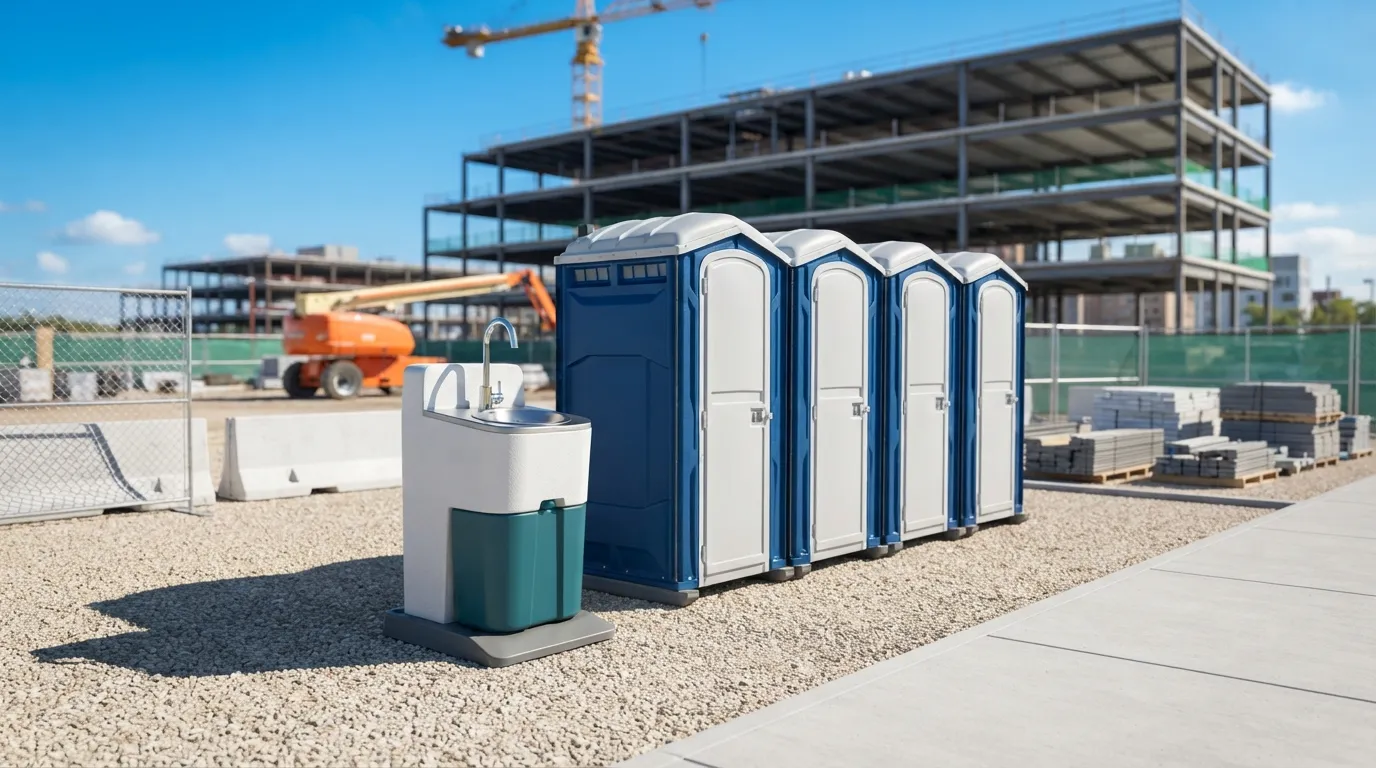
Call immediately if sewage is backing up inside the house, if standing wastewater is pooling in the yard, or if multiple drains stop working at once. Those are active failures, not maintenance windows. Routine pumping is a scheduled visit on a 3 to 5 year cycle; septic pumping service covers what a standard appointment looks like. A backup inside the house is a different call, and it needs emergency septic service rather than a routine slot. Pricing reflects the urgency: septic service on a scheduled day-rate basis falls in the 150 to 300 dollar range, while a weekend emergency call runs 50 to 150 dollars depending on scope and access. If you are budgeting ahead of either scenario, septic tank pumping cost breaks down what drives the number up or down. Homeowners doing a renovation or hosting an event on the property sometimes need a temporary solution while the tank is serviced; a holding tank rental or a rented portable restroom rental unit keeps the household running without waiting on repair scheduling.

Do warning signs mean I need a new drain field or just a pump-out?
Most of the time, a pump-out solves it, but not always. If slow drains and gurgling return within weeks of a pump-out, the drain field itself may be failing rather than the tank being full. A drain field failure is a bigger job, and it is worth having a technician confirm which problem you actually have before paying for either fix twice. This matters most for older Sunnyvale properties where the original system may predate current sizing standards. If you are building new or replacing a system entirely, that conversation belongs with a septic contractor rather than a rental company, but for pumping, tank access, and interim sanitation while work is underway, septic tank cleaning and holding tank rental both apply. Construction crews working near an existing tank should also plan worker sanitation separately under OSHA 1926.51(c), which sets toilet counts by crew size and is unrelated to the septic system itself.
How much does septic pumping cost in Sunnyvale?
Scheduled septic service runs 150 to 300 dollars for a standard day appointment, based on tank access and volume. Weekend emergency calls run 50 to 150 dollars separately from that. Exact pricing depends on tank size, last pump-out date, and whether the lid needs to be uncovered first.
How often should a residential septic tank be pumped?
Every 3 to 5 years for a typical household, though tank size and the number of people using the system shift that window. A larger tank serving fewer people can stretch longer between visits. See how often to pump a septic tank for the sizing detail.
Can I use a portable toilet while my septic system is being repaired?
Yes. Renting a standard porta potty rental or a portable toilet rental unit keeps the household functional during repair days. Sunnyvale Porta Pros can typically deliver same-day for active septic emergencies.
What is the difference between a septic tank and a grease trap?
A septic tank handles household wastewater from toilets, sinks, and showers. A grease trap or interceptor is a commercial kitchen fixture, pumped once fats, oils, grease and solids reach 25 percent of liquid depth. See grease trap pumping for that separate service.
Will a slow drain fix itself without a pump-out?
No. A slow drain caused by a full or blocked tank gets worse, not better, and often leads to backup inside the house. Scheduling septic pumping service before that point is far cheaper than an emergency call after.

Next step
Get a delivery date
Tell us the address, the dates and the headcount. We size the order and confirm the route.